This is the first post in our three-part series, Secrets of Successful Book Proposals.
What attributes make a nonfiction book pitch standout? Or, more directly, what does it actually take to sell a nonfiction book?
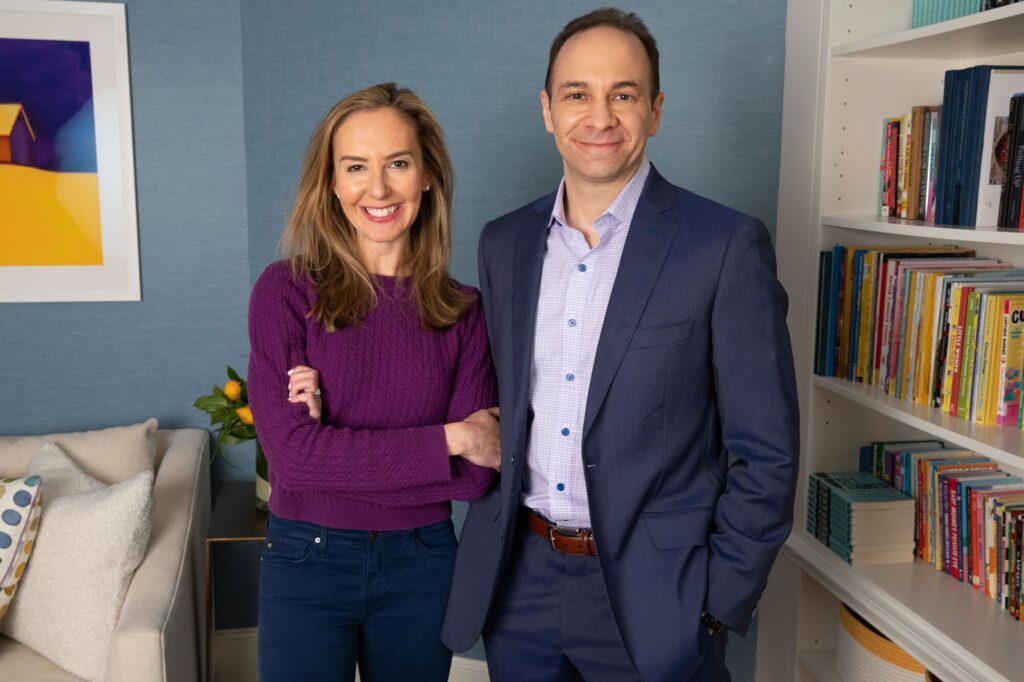
Recently, my colleague Kelly Bergh and I sat down with a nonfiction author to talk through a new project. It was the kind of conversation we have with writers all the time, and it touched on nearly every question we ask when we evaluate a proposal.
This particular author was very well prepared and ready to answer each question we asked, and it reminded me how important it is for an author to know what to expect when they enter a meeting like this.
Over this series, I’ll share the best practices from that proposal, as well as a summary of what all authors should know before their first proposal meeting. We’ll start where every proposal starts: the promise.
Lead with the book’s promise, and why you are the best author to deliver it
When I hear a pitch, I want to understand three things quickly: the idea, the audience, and what you bring to it. Your credentials matter, but only when they connect directly to the subject.
Kelly and I were both immediately struck by how clear this author’s elevator pitch was. The concept, the language, and the intended reader were all there in a few sentences. That clarity is rarer than you’d think, and it makes an agent lean in.
Ask yourself: Could an agent tell, in under a minute, what your book is, who it serves, and why you’re uniquely positioned to write it?
You may not need to write the whole book first
Many nonfiction writers assume they need a finished manuscript before approaching agents. Often, you don’t need much more than a thorough outline. What we look for is a robust skeleton of the book, supported by a few strong sample chapters.
As Kelly put it, “I don’t want you to have to write a whole book prematurely and then end up retooling 75% of it.”
If you’re new to proposals, our ultimate guide to writing a nonfiction book proposal walks through what to include and why agents want a proposal before a full manuscript. Jane Friedman’s rundown of the essential elements of a nonfiction book proposal is another helpful primer (and even includes a free template). The right submission strategy still depends on your project, so talk it through before you write the entire thing.
Name your differentiator right out of the gate
“This is such a lookalike industry,” Kelly reminded us. It’s an idea I explore in depth in my book, Get Signed, and it’s one of the biggest reasons good proposals get passed over.
An audience that already knows a topic doesn’t need another book repeating it. You need to take that knowledge further, and show exactly how your book reframes the subject. I encourage authors to think of comparable titles as an artistic palette: established books and voices that show where your work belongs, and where the gap you’re filling remains.
Knowing how to position your book against those comps is where most writers get stuck, and where an outside perspective helps most.
Coming up next
In Part 2, we’ll look at how to make readers care: the transformation your book promises, the “connective tissue” that holds it together, and why your book needs to be “AI proof.”
Want feedback on your own pitch before then? Book a private consultation with our team.