
Search
Elizabeth Currid-Halkett
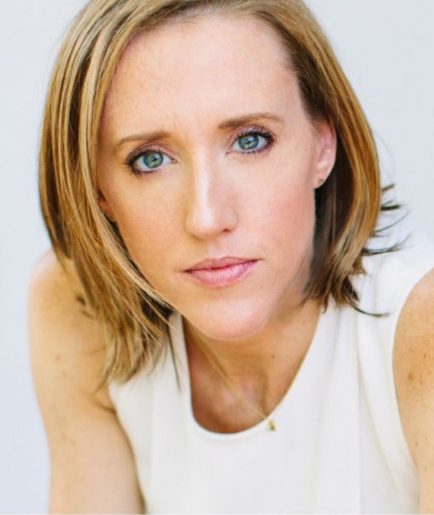
Author of The Sum of Small Things, The Warhol Economy, (Princeton University Press) and Starstruck (Macmillan), and The Overlooked Americans (Hachette)
Elizabeth Currid-Halkett is a professor and the James Irvine Chair in Urban and Regional Planning at the University of Southern California’s Sol Price School of Public Policy. Her research and teaching focus on economic development, urban policy, and the sociocultural mechanics of city growth. She is a widely cited expert whose insights have appeared in The New York Times, The Wall Street Journal, The Economist, and The New Yorker.
Throughout her career, Elizabeth Currid-Halkett has authored several influential books exploring the intersection of culture and economics. Her work includes The Warhol Economy: How Fashion, Art and Music Drive New York City, which examines how social networks and the creative class fuel urban economies, and Starstruck: The Business of Celebrity, which analyzes the branding and market power of fame.
In her book The Sum of Small Things: A Theory of the Aspirational Class, she identifies a major shift in 21st-century status signaling. She argues that the modern “aspirational class” has moved away from traditional luxury goods—or “conspicuous consumption”—and toward “inconspicuous consumption.” This involves investing in cultural capital, such as education, high-end childcare, and health, which serve as more subtle yet powerful indicators of social and economic standing.
Keynote Lecture Topics
-
Creative Economies
- The trappings of creativity and how it works
- The economic value of art and how it functions in the national economy
- Creative Economies – How managers, businesses and cities can facilitate creativity and create the types of environments that maximize performance
- Winner-take-all Economies – How we form taste, the role of media in influencing consumers, and how only a few successful creative people reap all the rewards
- NYC’s Creative Economy – How NYC’s creative economy generates as many jobs as finance does, produces billions in revenue and remains the center of the world’s greatest art, design and music year after year
-
The Socioeconomics of Celebrity
- The Economic Impact of Celebrity – How celebrity generates billions of dollars and thousands of jobs, and the human capital responsible for just one Hollywood appearance
- A recipe for fame – The unique social behaviors of Hollywood A-listers and what this shows us about stardom
-
Status, Consumption, and Leisure
- Status in the 21st Century – What exemplifies status today and why status has no clear price tag
- “Elite Spending” Patterns – The spending patterns of the rich compared to that of the rest of America, and how elite spending has changed post-Recession
- The Aspirational Class – The rise of a new kind of elite consumer:their consumption habits and how they came to be
- The Formulation of Taste – The influences of how we spend our time and money and what this says about where we live and who we are
- 21st Century Consumption Patterns – Which goods and services reveal status and how American consumption habits have changed over time
Elizabeth Currid-Halkett travels from Los Angeles, CA.
Books
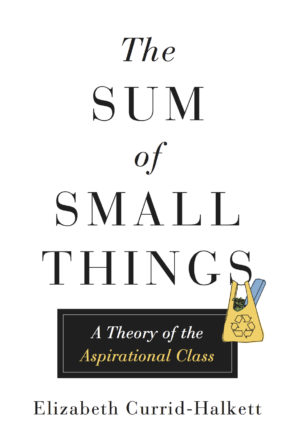
Praise for The Sum of Small Things
An Economist “Wise Words 2017 Book of the Year”
“Elizabeth Currid-Halkett says a new cultural elite is on the rise: the aspirational class. These are people who aren’t necessarily rich but who share a set of views on the most socially conscious ways to spend money…. Currid-Halkett argues that they are driven primarily by an aspiration to be—or at least appear to be—‘their version of better humans.”
“What makes Currid-Halkett’s argument powerful is that she mines the data to prove that the members of this group are passing on their privilege to their children in just as pernicious a way as the old aristocrats passed on their estates and titles.”
“The aspirational class gets a kick in the quinoa courtesy of Elizabeth Currid-Halkett’s The Sum of Small Things.”