Search
New Books from Lucinda Literary: Why These Three Releases Will Inspire Every Writer
As the calendar turns and a fresh publishing year begins, we’re thrilled to celebrate three extraordinary new releases in personal growth that crossed our desks at Lucinda Literary — Intentional by Chris Bailey, Beyond Infidelity by Lauren LaRusso, and The Power of Guilt by Chris Moore — each of which showcases not just a unique voice, but a purposeful connection between author, audience, and idea. Below, we’re celebrating what exactly set them apart, and why our agents took notice.
📚 Intentional by Chris Bailey – Mastering What Matters Most
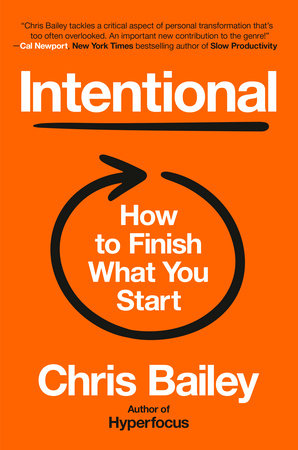
From bestselling author Chris Bailey comes Intentional, a guide that reframes how we think about productivity, ambition, and accomplishment. Instead of willpower and endless to-do lists, Bailey helps readers anchor their goals in what matters most to them, turning intention into action with practical strategies: structuring goals, tracking progress, making boring tasks attractive, and knowing when to let things go.
This is the kind of book that doesn’t just tell you to do more — it teaches you how to make the work that matters stick. That insight comes from deep research, not vague motivation, and readers will find themselves reassessing how they approach both daily tasks and long-term dreams.
👉 Why this matters to writers: so many creative folks fall into the trap of “I’ll be more productive when…” The truth is, productivity follows intention. Writers who learn how to align their goals with their values will stop extinguishing momentum and start finishing what they start — the core message of Intentional.
Support Chris and order Intentional!
💔 Beyond Infidelity by Lauren LaRusso — Turning Pain into Power
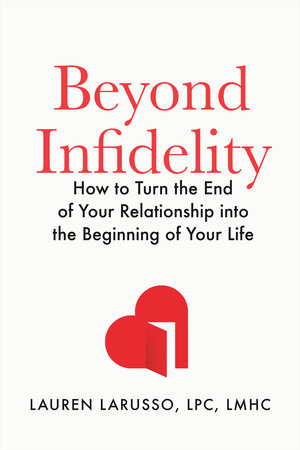
Lauren LaRusso’s Beyond Infidelity is a deeply compassionate guide for anyone confronting the fallout of betrayal. LaRusso — a licensed therapist whose own marriage ended through infidelity — wrote the book she wished she had during her darkest days. It’s not just a guide to surviving heartbreak; it’s structured as a seven-step interactive process to help readers transform the pain of betrayal into personal growth and reclaimed identity.
Unlike relationship books that focus solely on reconciliation or normalize cheating as just a relationship hiccup, LaRusso confronts the taboo honestly and empathetically — meeting readers right where they are and showing them how to rebuild their lives with strength, conviction, and self-worth.
👉 Why this matters to writers: Lauren’s journey from therapist to Instagram genius to Big Five author shows how real personal experience + professional expertise can become a powerful force in nonfiction. Many writers hesitate to mine their own story for fear of vulnerability; more still lean into vulnerability, but neglect practical takeaways for readers. Beyond Infidelity does both.
Support Lauren and order Beyond Infidelity!
🧠 The Power of Guilt by Chris Moore — Reimagining a Difficult Emotion
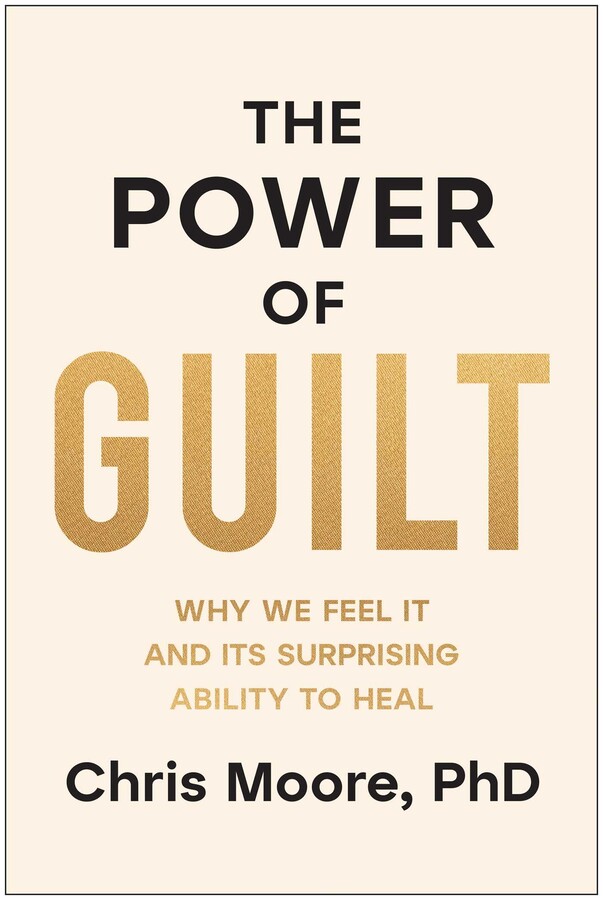
Canadian psychologist Chris Moore’s The Power of Guilt is, on the surface, an exploration of an uncomfortable emotion — guilt — but it quickly becomes much more. Instead of dismissing guilt as something to avoid, Moore shows how it’s actually an emotional signal with purpose: it alerts us when relationships are damaged, offers paths to repair, and — when understood — can deepen connection and catalyze growth.
Drawing on psychology, philosophy, comparative religion, legal studies, and his own life experiences, Moore reframes an emotion most people try to bury into something that can heal, strengthen, and reshape our lives and communities.
👉 Why this matters to writers: as the result of many years of research and painful lived experience, LL agent Kelly Bergh found The Power of Guilt in the slushpile and instantly fell in love with its big idea, backed by science. There wasn’t a social media platform, but Chris’s credentials couldn’t be ignored. Below is the initial pitch that caught Kelly’s attention!
Do you feel a twinge of guilt when you’ve invited a proposal from an author and then it sits in your inbox, languishing longer than it should? I have been a professor of Psychology at Dalhousie University in Halifax, for over 35 years and I still feel guilty when I have to mark down a student’s work. Everyone, barring perhaps a few with extreme personality disorders such as narcissism or psychopathy, has felt guilt. It is never pleasant and for some it can lead to significant personal distress. I am writing a popular psychology book, tentatively titled Guilt: A natural and personal history, that will explain this experience, reveal the important role it plays in our lives, and point to how to move beyond it. The manuscript, which is close to completion, will be approximately 90,000 words.
Guilt presents a counterintuitive explanation that will allow readers to think of their guilt in a new way. I show that rather than thinking of guilt as an outcome of doing something wrong, we need to recast guilt as an emotional signal that we have damaged a relationship. As such, guilt can be a healthy reaction. Guilt signals to us that we have harmed a relationship and that we should attempt to repair that harm. But guilt can sometimes arise inappropriately and in such cases, we need to examine our personal responsibility and let go of guilt if possible. Drawing on a deep personal experience of guilt in a variety of forms (I grew up Catholic, I was convicted of a criminal offence and spent time in jail as a young adult, I spent 5 years in therapy dealing with unconscious guilt), I use personal stories to illustrate this approach to guilt and explore it in different contexts, such as family life, challenges to mental health, and religion. I also explain the psychological basis of guilt by delving into its emotional nature, its development in childhood, and its roots in animal conflict resolution.
As an academic psychologist, I’ve enjoyed a long and successful career researching, writing, and teaching on the nature of social relationships with a focus on how they develop through childhood. After many years of writing for other academics like myself I am making the transition to writing for a more general audience. To help with this transition, last year I completed the MFA in Creative Nonfiction at the University of King’s College in Halifax. Psychology has a natural general appeal in that we are all in some sense ‘commonsense psychologists’ (the subject of my first book). My overall goal is to help people understand the way their minds work and perhaps help to navigate the complexities and challenges of being human. There are no recent books on guilt outside the self-help genre. But as a general interest book on Psychology, it will compare to titles such as Eva Holland’s Nerve and Paul Bloom’s Against Empathy.
I am querying you because of your experience working with academics and scientists. Of course, I understand that this project may not fit with your interests or the balance of your list (don’t feel guilty!). But if you would like to see more, I have a full proposal prepared and I can send it along with two complete chapters.
🎯 What These Books Teach Every Writer
Taken together, these three releases offer invaluable lessons:
1. Your book doesn’t need to be brand-new — it just needs to be necessary.
Each title answers a deep need readers feel: the struggle to finish goals (Intentional), the pain of betrayal (Beyond Infidelity), and the emotional complexity we all face (The Power of Guilt). Writers: think less about what hasn’t been said before, and more about what still needs to be said—or how to say it differently.
2. You never know what door will open and when. It still takes most authors years.
While Lucinda connected with Chris Bailey a decade ago on X (then Twitter), Intentional was the book he always longed to write. But first, Chris needed to establish a platform as a beloved productivity expert, without formal credentials. Several international bestsellers in, Chris’s publisher (and agent!) trusted him to take this leap. Listen to Chris’s interview with Lucinda on their unusual agent-author discovery and journey here.
Lauren LaRusso was a colleague of Lucinda’s back in her 20s. When Lauren’s account of betrayal was featured in the media, Lucinda was encouraged to research her journey. Contacting her years after they had known one another, Lucinda was thrilled to learn that not only was Lauren thinking about writing a book—she had a finished manuscript!
3. Structure + vulnerability = transformation
All three books marry structure (productivity frameworks, step-by-step healing paths, psychological insights) with vulnerability (honest questions, real emotion, lived experience). That blend is what moves readers from inspiration to action—and it’s exactly what publishers are looking for in the personal growth genre.
✨ Final Inspiration for 2026
What intention will you set for yourself as a writer this new year?
How can you reframe the events you’ve experienced into something truly rich for readers?
We’re looking forward to meeting you in 2026. You’ll find plenty of opportunities to do just that when you sign up for our email newsletters.